How Far in Advance Should You Plan a Dental or Medical Buildout?
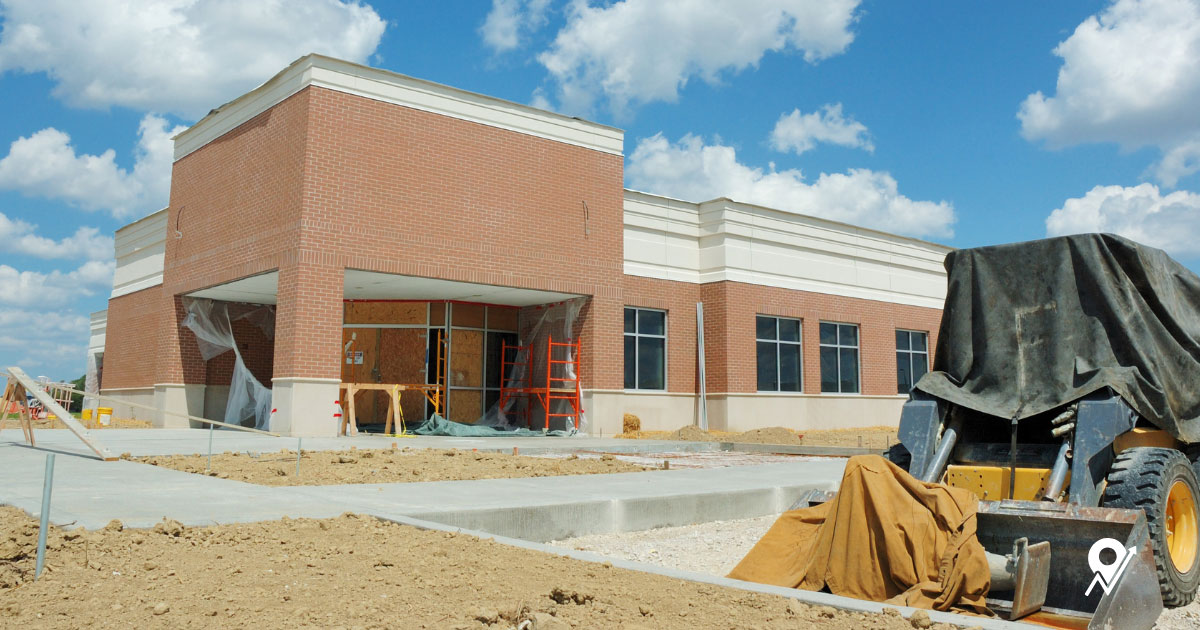
Plan for a dental or medical buildout to take roughly 6 to 9 months from the start of design to move-in when you are building out space inside an existing or leased building. A from-scratch, ground-up building runs longer — commonly 9 to 18 months of construction, plus the land and permitting time that comes before it. Because so much of that window is design and approvals rather than physical construction, the planning has to begin well before the date you want to open. Starting late does not speed the work up; it just compresses the parts you can least afford to rush.
This article covers how long a buildout takes, why medical and dental run on similar timelines despite different infrastructure, what drives the variation, and how the buildout fits into the larger relocation runway.
How long does a buildout take?
For a buildout in existing or leased space — what is often called a leasehold improvement or tenant improvement — plan for about 6 to 9 months from the start of design to opening day. That window includes design, permitting, construction, and getting the space ready to see patients.
A ground-up building is a different and longer project. The construction alone commonly runs 9 to 18 months, and that does not count the land acquisition and the entitlements-and-permitting process that precede it, which can add several more months and vary widely by location. If you are building from scratch rather than improving existing space, plan against the longer figure.
The 6-to-9-month range for a buildout is a planning benchmark, not a guarantee. Scope, the jurisdiction’s permitting speed, equipment coordination, and how quickly decisions get made all move it. But it is a realistic starting point, and it is consistent with what design-build firms in the space generally quote.
Why do medical and dental buildouts take similar amounts of time?
A dental buildout carries more specialized infrastructure than a general medical one — more operatory plumbing, compressed air and suction, additional electrical, imaging shielding. A general medical office has lighter requirements in those areas: fewer plumbing and electrical demands per room.
It is reasonable to assume that less infrastructure means a faster build, but the time difference is smaller than the infrastructure difference suggests. The reason is that the schedule is driven less by the number of fixtures and more by the parts that take time regardless of specialty: design, permitting, framing and structure, inspections, and the general sequence of construction. Those phases run on similar clocks whether the space is dental or medical. So while a medical buildout may involve less plumbing and electrical work, it does not finish considerably faster — the front-end and the construction sequence dominate the timeline, not the fixture count.
What drives the variation in the timeline?
A few factors explain why one buildout lands at six months and another at nine or beyond:
- Permitting speed. This varies widely by jurisdiction. Permits for an interior buildout commonly take one to three months, but a slow municipality or a project needing extra approvals can stretch that.
- Scope and complexity. A larger space, more operatories or exam rooms, or specialty requirements (oral surgery, imaging, procedure suites) add design and construction time.
- Equipment coordination. Some clinical equipment has long lead times and has to be ordered well ahead so it does not hold up the finish. Coordinating equipment with the construction schedule is a common source of delay when it is left late.
- Decision speed. How quickly the owner makes design and finish decisions directly affects the schedule. Indecision in the design phase is one of the more avoidable causes of delay.
- Geography. Regional differences in labor availability, permitting culture, and even weather can shift the timeline, the same way they shift cost.
How does the buildout fit into the larger relocation timeline?
The buildout is one stage inside a longer relocation runway, not the whole thing. Before construction can start, the space has to be found, the lease or purchase has to be negotiated, and the design has to be done — and those earlier stages can take many months on their own.
That is why a practice planning to relocate generally starts the overall process about 18 months before a lease expires for a lease-or-buy move, and 24 months or more for a ground-up build. The 6-to-9-month buildout sits near the end of that runway. An owner who counts only the buildout and starts planning six to nine months out has left no room for the search, negotiation, and design that have to happen first — which is how owners end up rushed or stuck holding over at their old space.
If you are mapping a move, plan the buildout backward from your target opening date, then add the months the search, negotiation, design, and permitting will take ahead of it. That total is what determines when you actually need to start.
The short version
A buildout in existing or leased space generally takes about 6 to 9 months from design to opening; a ground-up building runs longer, commonly 9 to 18 months of construction plus land and permitting time. Medical and dental run on similar clocks despite different infrastructure, because design, permitting, and the construction sequence drive the schedule more than the fixture count. And because the buildout is only the last stage of a longer relocation runway, it has to be planned backward from your opening date with the search, negotiation, and design time added ahead of it.
NextSite Consulting is an independent, fee-based real estate advisory firm for dental and medical practice owners. We help owners plan the real estate and timing side of a buildout or relocation — how it fits the practice and the larger schedule. We work on a flat-fee basis. This article is general information; timelines vary by project and market.

Jason Price — Founder, NextSite Consulting
Jason is a Georgia-licensed real estate broker and the founder of NextSite Consulting, an independent, flat-fee healthcare real estate advisory firm helping medical and dental practice owners decide whether to lease, buy, or build. Based in Roswell, GA.
Connect on LinkedIn